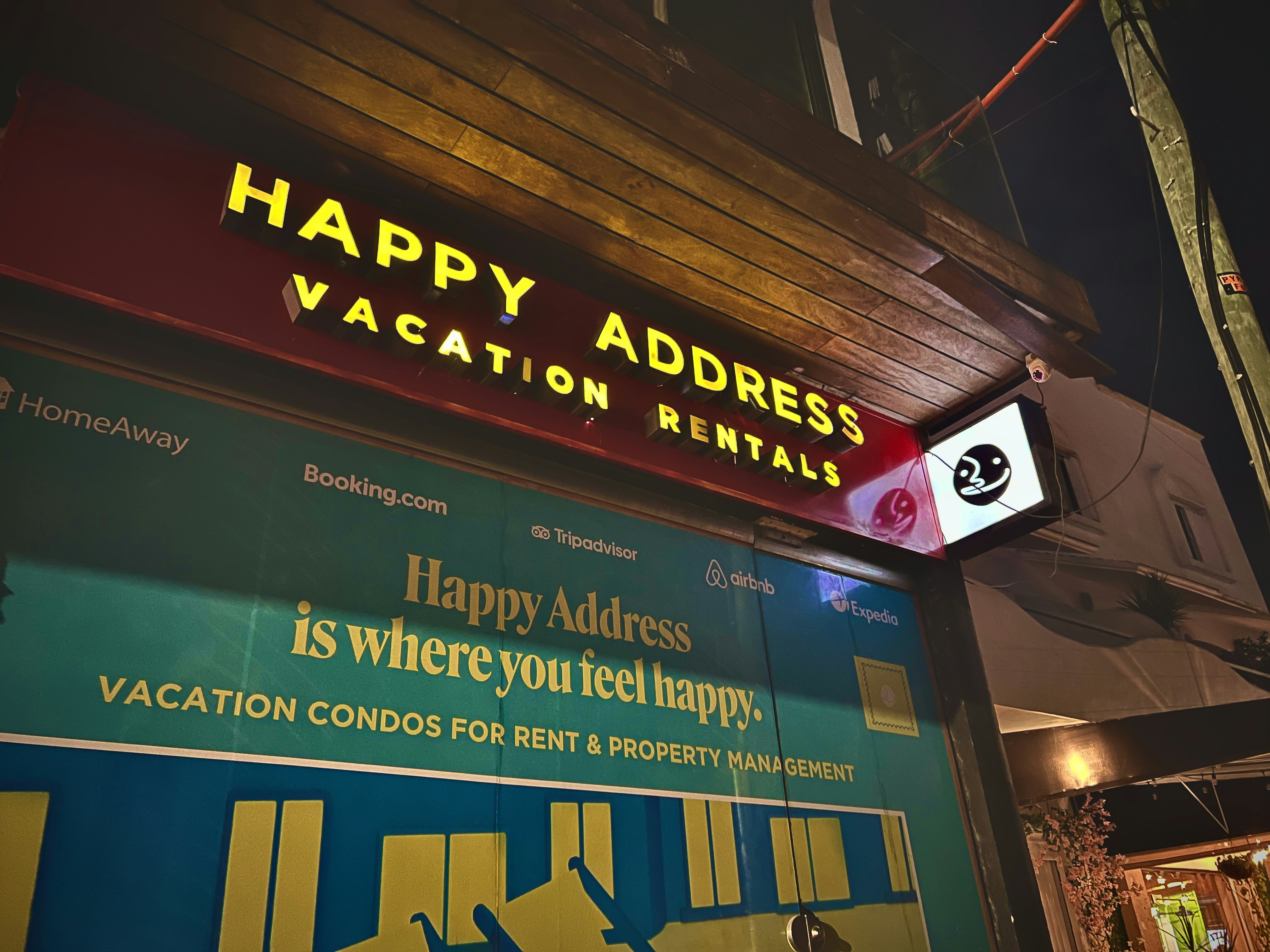
Introduction to Short Term Rentals
Short term rentals refer to properties that are rented out for a brief period, typically ranging from a few days to a couple of months. These rentals have gained immense popularity in recent years, especially with the rise of platforms such as Airbnb and Vrbo, which have revolutionized the way travelers find accommodation. Unlike traditional long-term rentals, where tenants might sign a lease for six months or more, short term rentals attract a different audience, primarily tourists and traveling professionals seeking temporary housing solutions.
The short term rental market has witnessed significant growth, attributable to the increasing demand for flexible travel options. Many travelers are now opting for short term rentals to experience a home-like environment away from home, thereby enhancing their overall travel experience. Moreover, short term rentals often provide unique accommodations that may offer amenities not typically found in hotels, such as full kitchens, more space, and local character.
Investing in short term rental homes presents various advantages over long-term leasing. One of the most prominent benefits is the potential for higher rental income, as short term rentals often command a much higher nightly rate compared to traditional rental models. Additionally, property owners maintain greater flexibility, allowing them to use the property for personal vacations or manage it effectively according to market demand. As more investors recognize these advantages, the short term rental sector continues to expand, driven by evolving travel preferences and technological advancements in property management.
As we delve deeper into the dynamics of the short term rental market, it is crucial for potential investors to understand the nuances involved. From regulatory considerations to effective marketing strategies, maximizing the potential of short term rentals requires a comprehensive approach and informed decision-making.
Understanding the Market Dynamics
The short term rental market is significantly influenced by various dynamic factors that potential investors must thoroughly understand to maximize their investment. Primarily, the location of the rental property plays a crucial role. Areas with high visitor traffic, such as urban centers, tourist attractions, and coastal cities, tend to attract more guests, thereby increasing occupancy rates and rental income. Conducting a strategic analysis of local demographics and tourism trends is essential for identifying ideal locations.
Another factor affecting the market is seasonal demand. Many destinations experience fluctuating demand throughout the year due to factors like weather, holidays, and local events. For instance, ski resorts can see a surge in visitors during the winter months, while beach rentals may peak in summer. Understanding these seasonal trends allows property owners to set competitive pricing and plan marketing strategies accordingly.
Local regulations also heavily impact the short term rental landscape. Each city or municipality may have its own set of rules governing short term rentals, including zoning laws, occupancy limits, and licensing requirements. Failure to comply with these regulations can result in fines or even eviction from rental markets. Hence, it is critical for investors to research and factor in these legal stipulations before committing to a property.
Lastly, keeping an eye on market trends through data analysis can equip investors with the knowledge needed to make informed decisions. Utilizing platforms that provide insight into rental performance metrics, booking rates, and competitor pricing can aid in recognizing opportunities for growth and optimization in this volatile market.
Choosing the Right Property for Your Rental
Selecting the right property for short-term rental is a crucial step that can significantly influence your investment’s success. First and foremost, the size of the property must align with your target demographic. Larger homes may cater to families or groups looking for spacious accommodations, while one-bedroom apartments might appeal to solo travelers or couples. It’s essential to assess who your primary guests will be and choose a property that meets their needs in terms of capacity and layout.
Amenities play a critical role in ensuring a competitive edge in the rental market. Properties that come equipped with essential amenities—such as fully stocked kitchens, Wi-Fi access, and laundry facilities—can attract more bookings. Offering additional features like hot tubs, pools, or proximity to local attractions can enhance guest experience and justify higher nightly rates. Therefore, evaluating potential properties based on the amenities they offer is vital for maximizing rental appeal.
Neighborhood appeal is also a significant factor to consider. A desirable location not only increases occupancy rates but can also boost rental income. Assess the safety, convenience, and attractiveness of the neighborhood, considering proximity to local attractions, restaurants, and public transportation. A property located in an area that offers various recreational and cultural activities is often much more appealing to short-term renters. Additionally, researching neighborhood trends can provide insights into the long-term viability of your investment.
Finally, it is essential to evaluate the overall condition of the property. Conduct thorough inspections to assess the structural integrity and the need for immediate repairs or renovations. Properties that require extensive work may eat into your budget and delay your rental plans. A well-maintained property not only alleviates potential issues but also assures guests of a pleasant living experience.
Legal Considerations and Regulations
Operating a short-term rental home brings a myriad of legal obligations that property owners must adhere to, varying significantly by location. Zoning regulations are among the first considerations for potential landlords. These regulations dictate whether a property can be rented out on a short-term basis. It is crucial to understand local zoning laws to avoid fines or forced cessation of rental operations.
In addition to zoning, many jurisdictions require landlords to register their short-term rental properties with local authorities. This process often involves obtaining specific permits that certify compliance with local safety and health regulations. Failure to register can lead to legal penalties and loss of the ability to rent the property.
Tax obligations also come into play for short-term rental owners. Most local governments impose occupancy taxes that must be collected from guests and remitted to the state or municipality. Understanding these tax requirements is essential to maintaining compliance and overseeing your rental’s financial health.
Moreover, compliance with housing laws and tenant rights is imperative. Depending on the location, landlords may need to follow laws pertaining to discrimination, noise control, and the welfare of tenants. Awareness and education on these laws will not only enhance the property’s reputation but also protect against potential lawsuits or disputes with guests.
Furthermore, liability insurance is highly recommended for short-term rental operators to protect against accidents or injuries that may occur on the property. Many standard homeowner policies do not cover short-term rentals; therefore, acquiring a policy that specifically addresses this type of business activity is prudent.
Staying informed about the legal landscape of short-term rentals is essential for any property investor. Continuous education on evolving regulations will help ensure that your operations run smoothly and legally.
Effective Marketing Strategies for Short Term Rentals
Marketing a short term rental effectively is essential for maximizing occupancy rates and ensuring a positive return on investment. One of the most powerful tools available to property owners and managers is the use of online platforms. Websites such as Airbnb, Vrbo, and Booking.com provide an extensive reach to prospective guests. When listing your property on these platforms, it is crucial to utilize high-quality photographs that showcase the rental’s best features. Pairing images with compelling descriptions can help create a vivid and enticing portrayal that attracts potential renters.
Another effective marketing strategy involves leveraging social media platforms. Utilizing channels such as Instagram and Facebook allows you to reach a targeted audience and promote local attractions in conjunction with your rental. Creating engaging content, including videos and virtual tours, can also significantly enhance visibility. Consider using targeted ads on these platforms to further increase awareness and reach visitors who are particularly interested in your property’s location.
In addition to utilizing online platforms and social media, creating an attractive and informative listing is paramount. Highlight unique selling points of your property, such as proximity to popular tourist destinations, any included amenities, and the overall experience guests can expect. Offering competitive pricing, and incentives such as early-bird discounts or special package offers, can differentiate your rental from others in the market. Furthermore, gathering and showcasing guest reviews can build credibility and entice new renters. Positive testimonials can be influential, as they provide insights into the guest experience and reassurance for potential clients.
In conclusion, a multifaceted approach that combines online listings, social media marketing, and compelling property descriptions will effectively enhance the visibility of your short term rental and maximize its investment potential.
Preparing Your Rental Home for Guests
Setting up your property to cater effectively to short term rental guests is paramount in establishing a successful investment. The atmosphere and amenities provided can significantly influence guest satisfaction and, consequently, their reviews. When preparing your rental home, consider the overall interior design; a well-thought-out aesthetic can create a warm and inviting space. Opt for a neutral color palette complemented by comfortable furnishings, which allows for personal touches that reflect the property’s character. Utilizing local artwork or decorations can enhance the authentic experience of staying in the area.
Apart from aesthetics, it is crucial to focus on the ‘must-have’ amenities that make your rental enticing to guests. Every property should be equipped with essential items such as high-quality bedding and towels, as well as kitchen essentials like cookware, utensils, and basic condiments. Offering conveniences such as Wi-Fi, a coffee maker, and toiletries cements your commitment to excellent guest experiences. Furthermore, technology can play a significant role; having smart home features, such as keyless entry or adjustable lighting, can enhance comfort, security, and ease of access.
Cleaning protocols also play a significant role in guest preparation. Establishing a thorough cleaning regimen ensures that the property meets health and safety standards while promoting a welcoming atmosphere. Consider hiring professional cleaning services to ensure a consistent level of cleanliness that meets or exceeds guest expectations. Clear signage, outlining house rules and check-out procedures alongside complimentary local guides, can further enrich the guest’s experience.
By integrating these elements into your rental property setup, you are likely to foster a positive environment that encourages high ratings and repeat bookings. Ensuring your short term rental home is inviting, functional, and meticulously maintained will pay dividends in guest retention and satisfaction.
Managing Guest Relationships and Expectations
In the realm of short-term rental homes, effective guest communication serves as a foundational pillar for a successful investment. Establishing a clear line of communication from the moment a guest books until their stay concludes is crucial. This can be initiated through timely email responses and a well-crafted welcome message that provides essential information about the property, check-in procedures, and local attractions. Such proactive communication sets an inviting tone and helps in building trust with potential guests.
Setting appropriate expectations is equally vital. Clearly outlining house rules, check-in and check-out times, and any amenities provided reflects professionalism and allows guests to align their plans accordingly. Transparency about potential noise from nearby locations or maintenance work can prevent misunderstandings and dissatisfaction during their stay. Additionally, creating a comprehensive guidebook that details how to operate appliances as well as recommendations for nearby restaurants or activities can enhance the guest experience significantly.
Handling inquiries and complaints effectively is another key aspect of managing guest relationships. Quick responses to questions can alleviate potential concerns, demonstrating a high level of hospitality. When complaints arise, it is essential to address them promptly and respectfully. Offering solutions or compensations when necessary can turn a negative experience into a positive one, which may encourage guests to leave favorable reviews or consider repeat bookings.
To foster a lasting rapport, consider following up with guests after their stay. A simple thank you message expressing appreciation for their choice can not only reinforce a positive experience but may also prompt guests to recommend your property to others. Moreover, soliciting feedback can yield insights into areas of improvement and help enhance future guest interactions.
Understanding Pricing Strategies
Pricing strategies play a crucial role in the success of short term rental homes. A well-researched approach to setting rental rates can significantly impact occupancy rates and overall revenue. One popular method is dynamic pricing, which adjusts rates based on various factors, including demand fluctuations, seasonality, and local events. By utilizing pricing software or tools, hosts can adopt a flexible pricing strategy that automatically alters their rates in real-time, ensuring competitiveness in the market.
Several factors influence the pricing of short term rentals. The location of the property is paramount; rentals situated in desirable areas with high tourist attraction tend to command higher rates. Additionally, the time of year affects pricing; peak tourist seasons often see increased demand, warranting higher prices compared to off-peak months. Other influences include the property type and size, amenities offered, and the overall market supply of similar rentals. Thus, it is essential for hosts to conduct thorough market research to position their pricing effectively.
Discounts and promotions can also be strategic tools for maximizing occupancy and revenue. Offering limited-time promotions can attract guests during slower periods, while weekly or monthly discounts may encourage longer stays. However, it is vital to ensure that any discounts remain sustainable and do not erode profit margins. Hosts should also consider packages that include additional services, adding value while maintaining a competitive edge in pricing. By balancing standard rates with strategic discounts, short term rental owners can maximize both occupancy and revenue, creating an attractive proposition for potential guests.
Conclusion and Future Trends in Short Term Rentals
As the short term rental market continues to evolve, it is essential for investors to stay informed about key developments and trends in the industry. One of the most significant takeaways is the importance of adapting to changing consumer preferences. Today’s travelers increasingly seek personalized experiences, unique accommodations, and a seamless booking process. Therefore, property owners should emphasize creating a memorable stay by offering amenities that cater to these desires.
Emerging technologies are also set to reshape the landscape of short term rentals. The integration of smart home devices can enhance guest experience, providing conveniences such as keyless entry, temperature control, and personalized recommendations. Furthermore, advancements in data analytics can empower investors to make informed decisions by understanding market dynamics, identifying pricing strategies, and optimizing occupancy rates. Managing these technologies effectively will contribute to maximizing rental income and ensuring a competitive edge.
However, potential challenges cannot be overlooked. Regulatory changes across various cities can impact the viability of short term rental homes. Investors must remain vigilant about local laws and regulations to ensure compliance, which can include registration requirements, taxation, and safety standards. Additionally, market saturation in some locations may result in increased competition, necessitating innovative marketing strategies to attract guests.
In conclusion, navigating the future landscape of short term rentals requires a proactive approach. By remaining adaptable to consumer expectations, leveraging technology, and being aware of regulatory shifts, investors can maximize their potential and find sustained success in the short term rental market. Keeping abreast of future trends and preparing for challenges will be critical for continued growth and profitability in this dynamic sector.